A Little Background
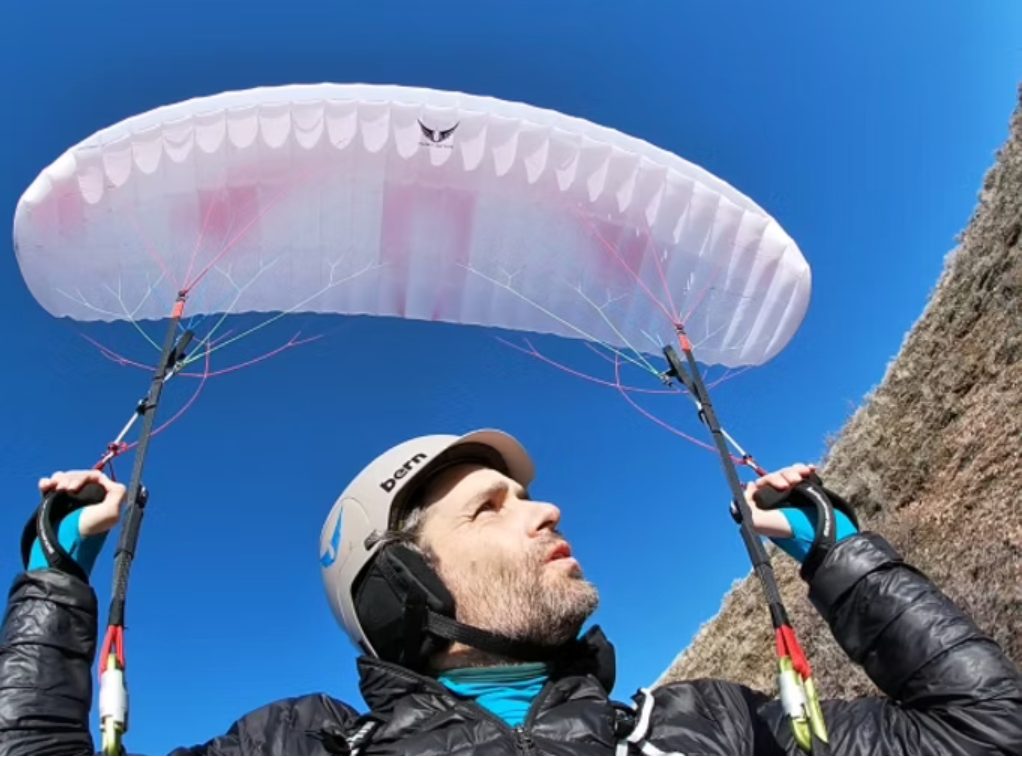
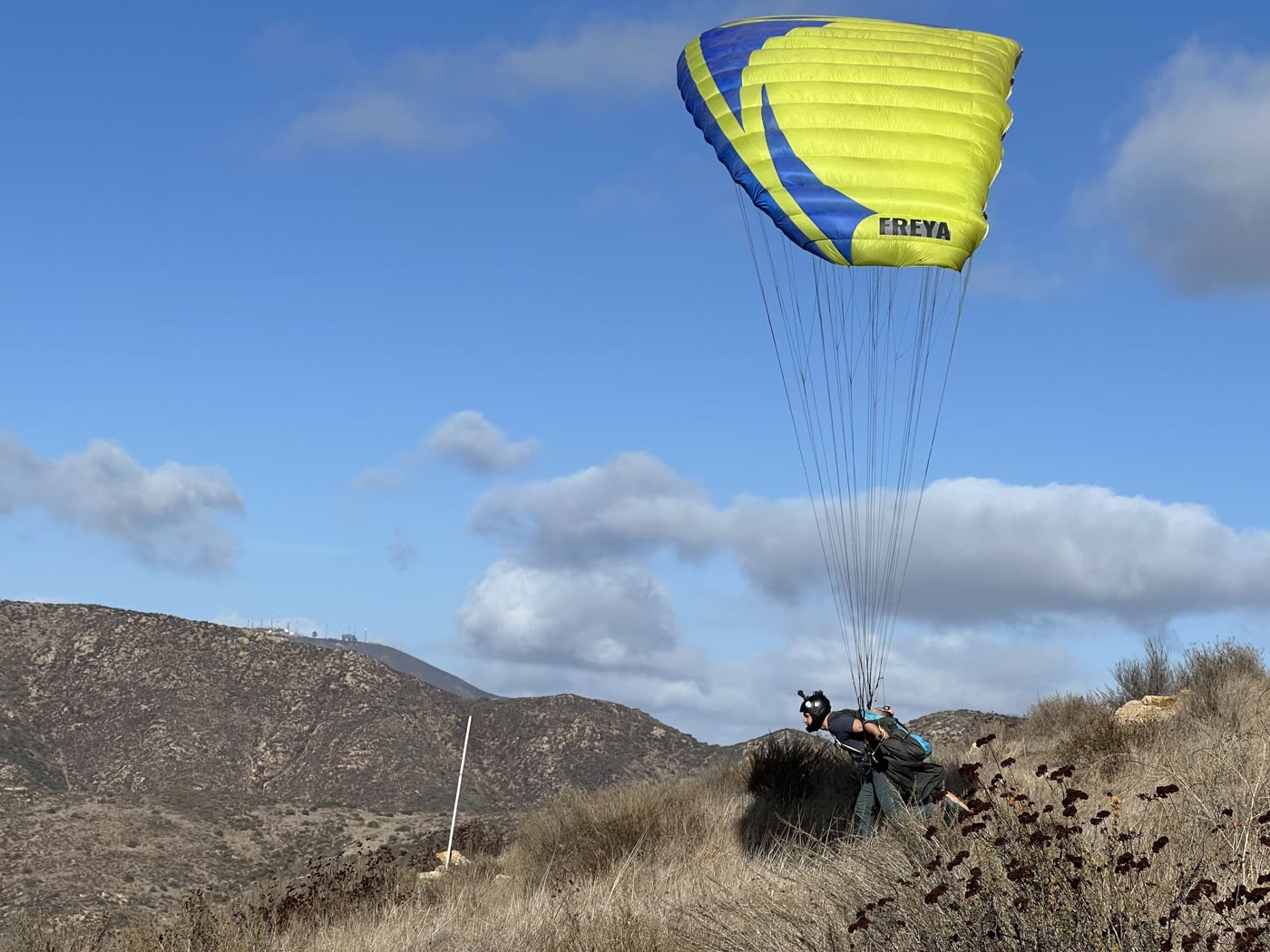
Kevin Hintze began paragliding at age 16 and immediately fell in love with flight. He was one of the early pioneers of aerobatic paragliding in the USA and taught at the Point of the Mountain in Utah for over 10 years. Kevin is also a licensed general aviation pilot. He began tinkering with paraglider wings, making significant changes to wings he owned. He soon began flight testing for several major paragliding companies in between instructing and flight school commitments.
Scott Roberts began skydiving in 1998 and by 2001 he was a competitive canopy pilot, flying top-level competitions for years as a member of Team FASTRAX and Slipstream Airports. Scott has a master’s degree in engineering with over 20 years of design experience.
A Meeting of Minds
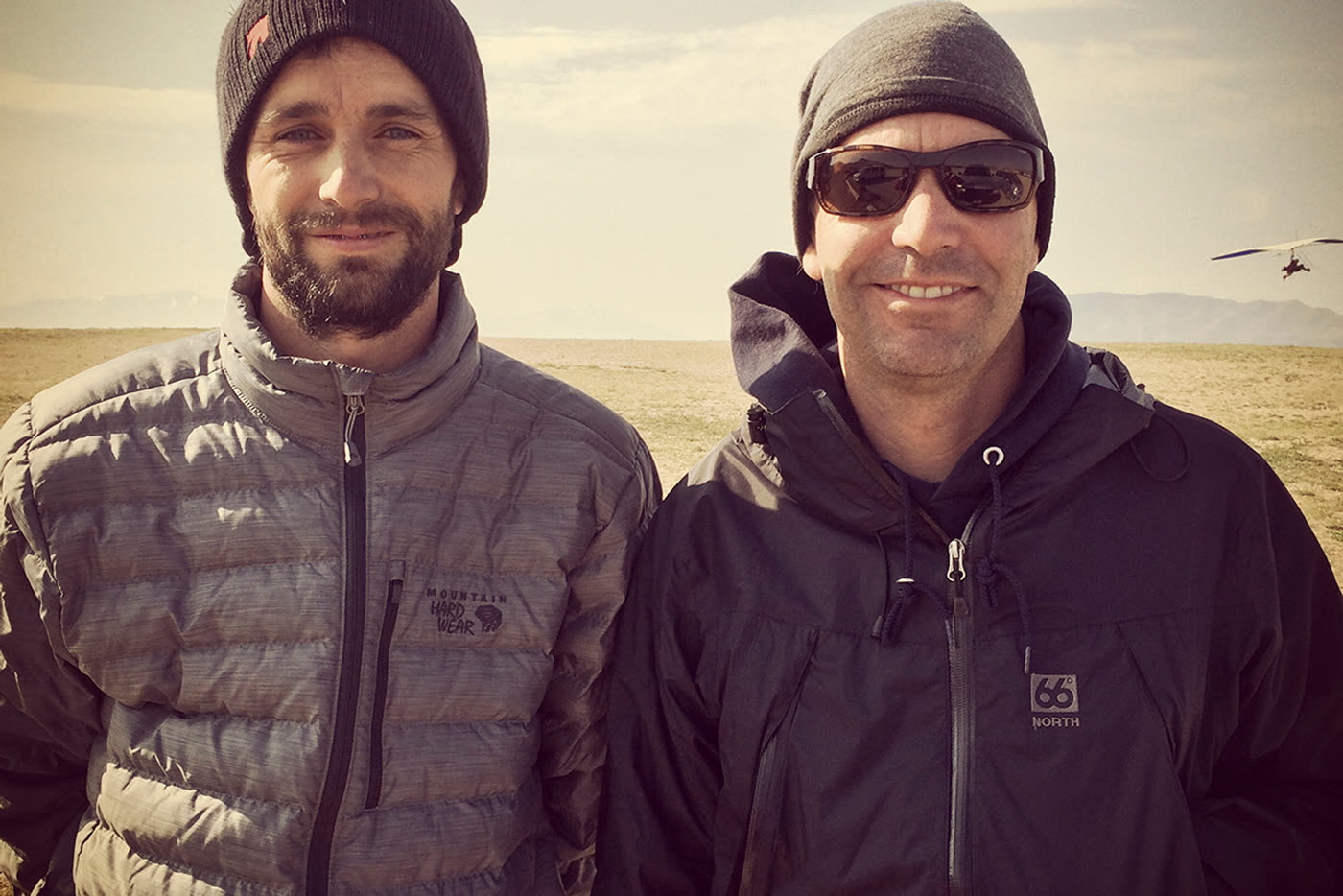
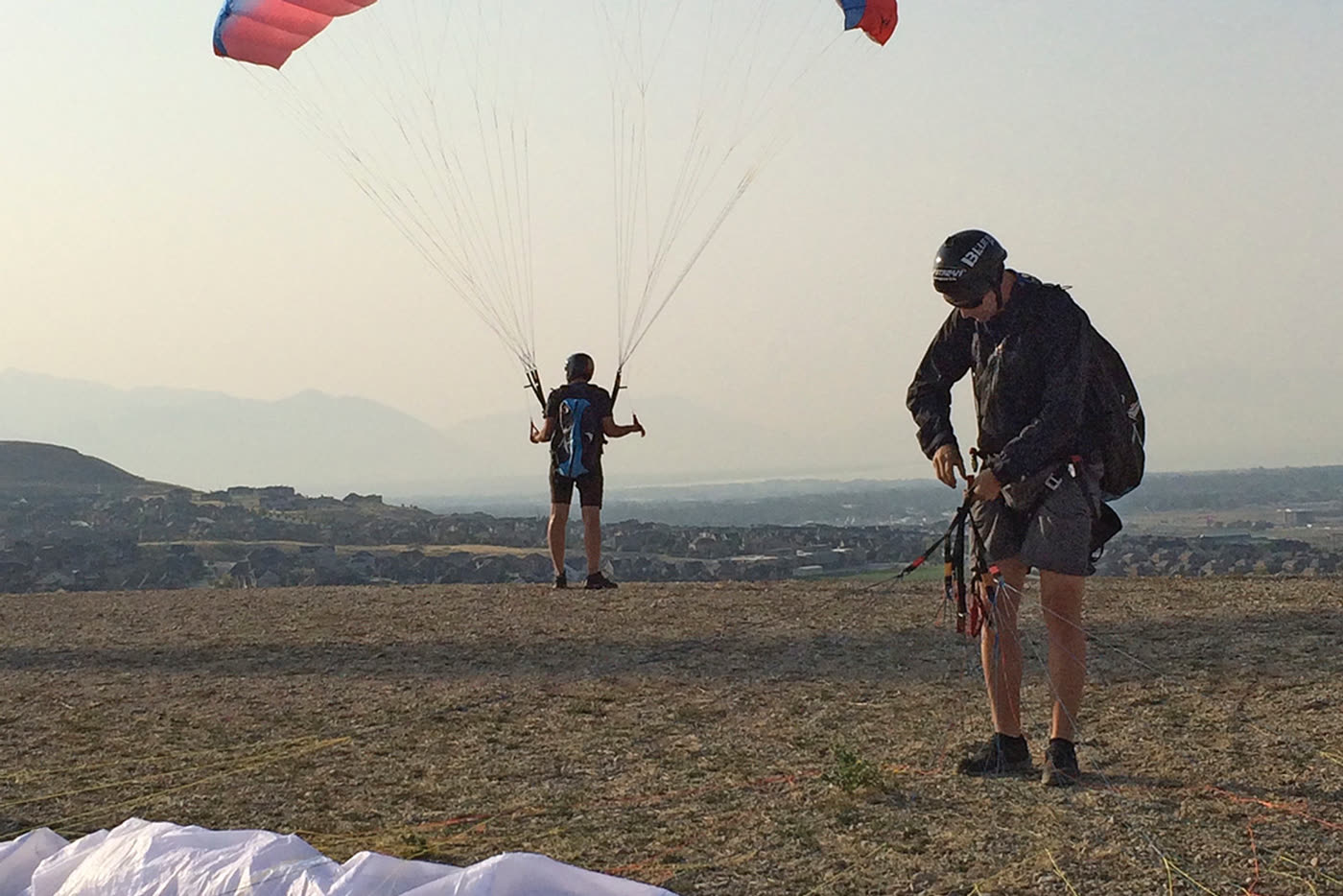
In 2007 Scott and Kevin met through speed flying. Kevin was instructing paragliding and Scott was doing contract work for another major parachute company for the release of a speed wing. They became fast friends and began to share knowledge — Scott sharing skydiving with Kevin and Kevin sharing paragliding and speed flying with Scott. Shortly after that they began what became known as Project Mayhem.
Project Mayhem
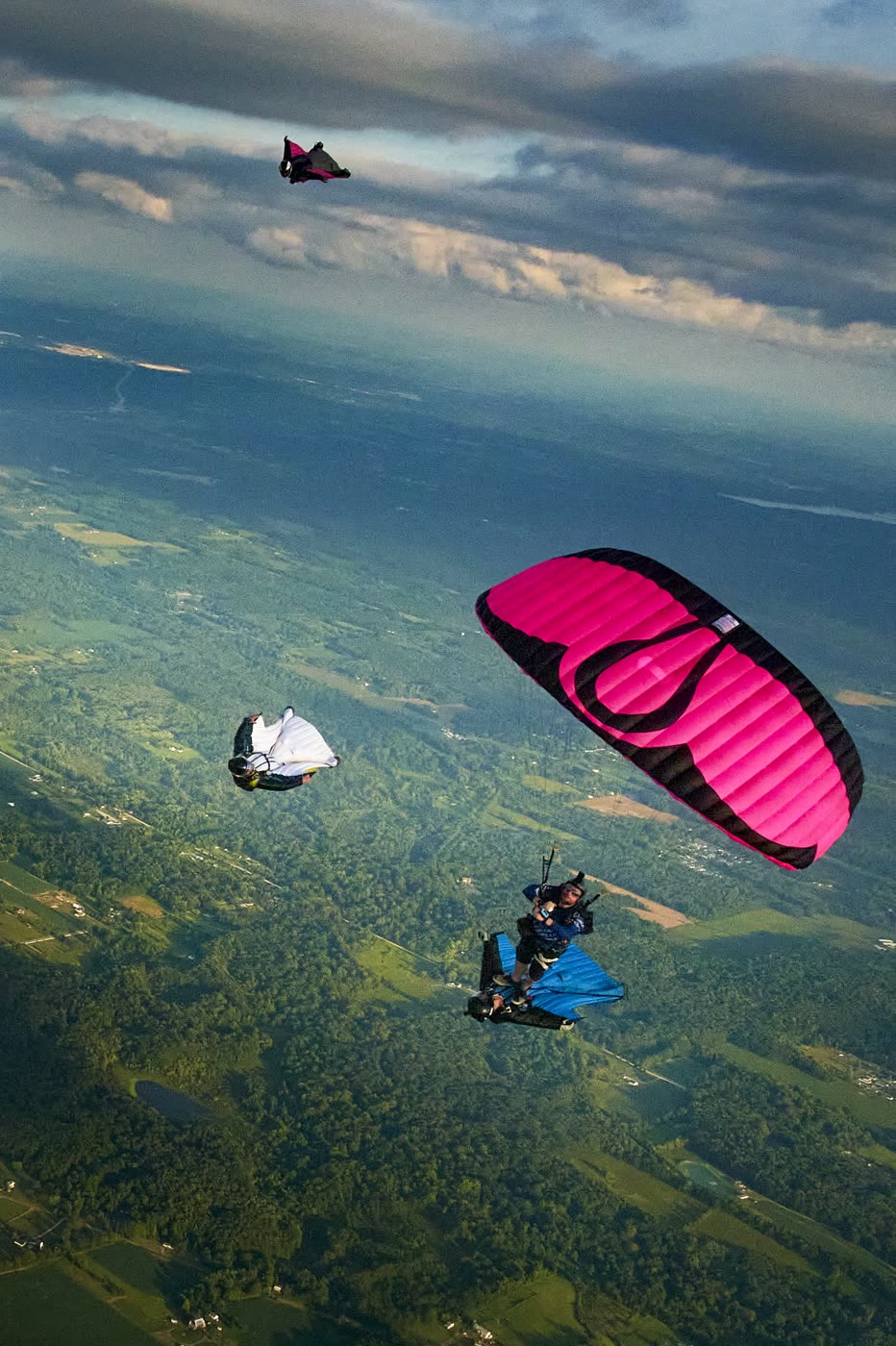
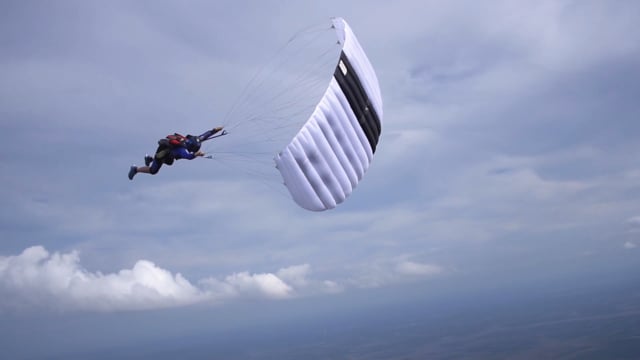
Project Mayhem started with what seemed like a stunt: to jump out of an airplane with a paraglider wing and survive. The project quickly evolved into developing a way to repeatedly jump aerobatic (acro) paragliders out of airplanes. It evolved over 4 years and involved some serious safety, rigging and aerodynamic challenges. In 2012 they achieved their goal and were able to successfully jump paragliding wings out of airplanes in a repeatable manner. This system of sub-components has yet to come to market.
In 2011 Scott was hurt in a serious paragliding accident that left him bedridden for over 4 months and made continued competition as a top-level canopy pilot impossible. He decided to use this downtime to take several courses in aerodynamics and studied full-time during his recuperation and well beyond. Scott also spent a good deal of time researching and learning how to perform computational fluid dynamics. When combined with Kevin’s experimental-based approach, they soon realized they had a magic combination.
The Early Times
After Project Mayhem the two wondered what was next. A paraglider, of course. Scott set off to work designing and building it. In late 2012 they had a prototype of the Rubicon. They tested it in Utah under Kevin’s lead and found it to not only be safe and effective but really fun and enjoyable to fly. They both knew that they wanted to make more wings and make this a full-time venture.
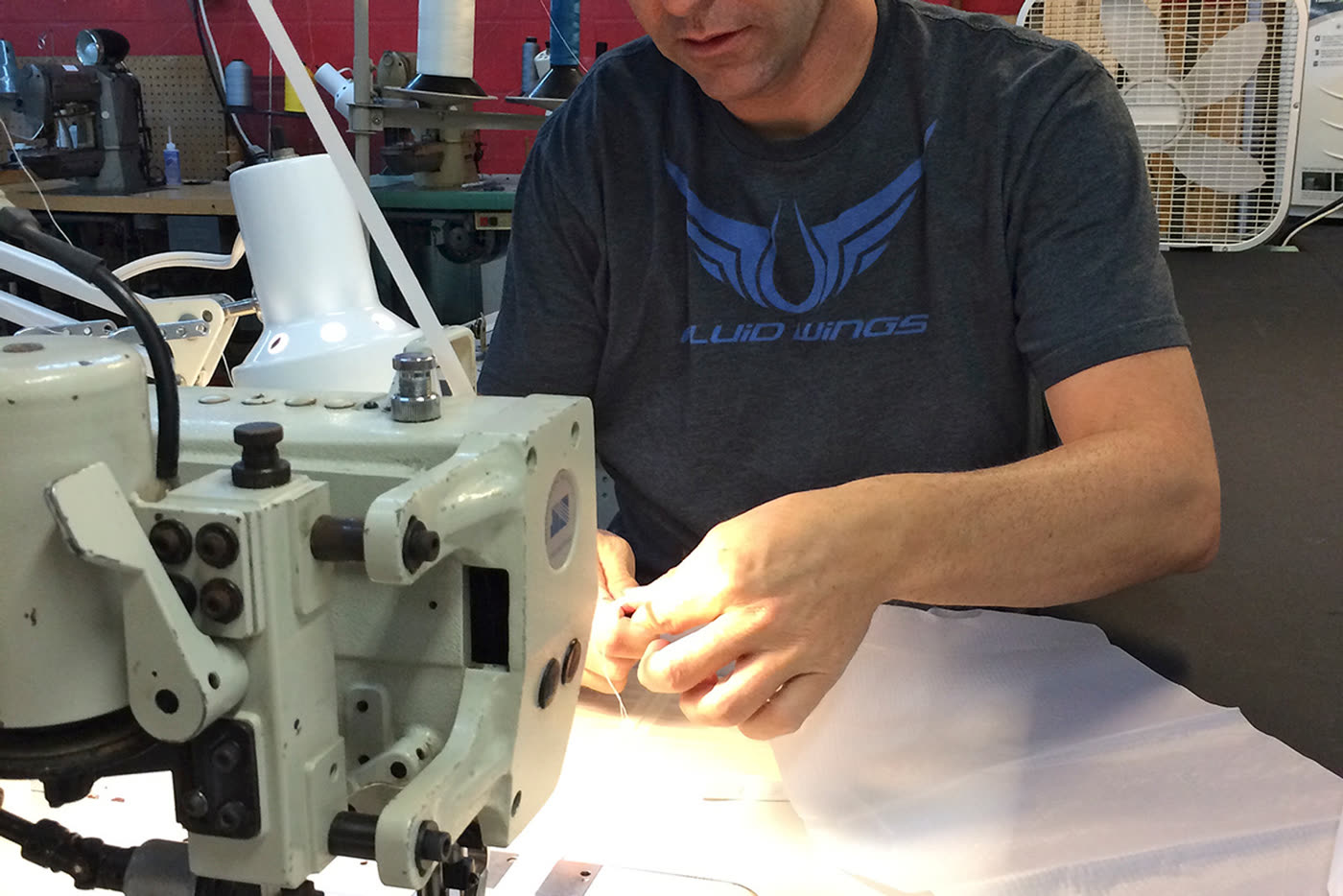
They brought in others to help — Shane Shaffer and eventually Lucas Alderette — and Fluid Wings was formed. They rented their first space in DeLand, Florida, in 2013 and began the research and development to produce more paragliders and parachutes immediately. With Scott’s background in competitive canopy piloting, it became obvious that a high-performance competition wing was in the future.
The Birth of the HK
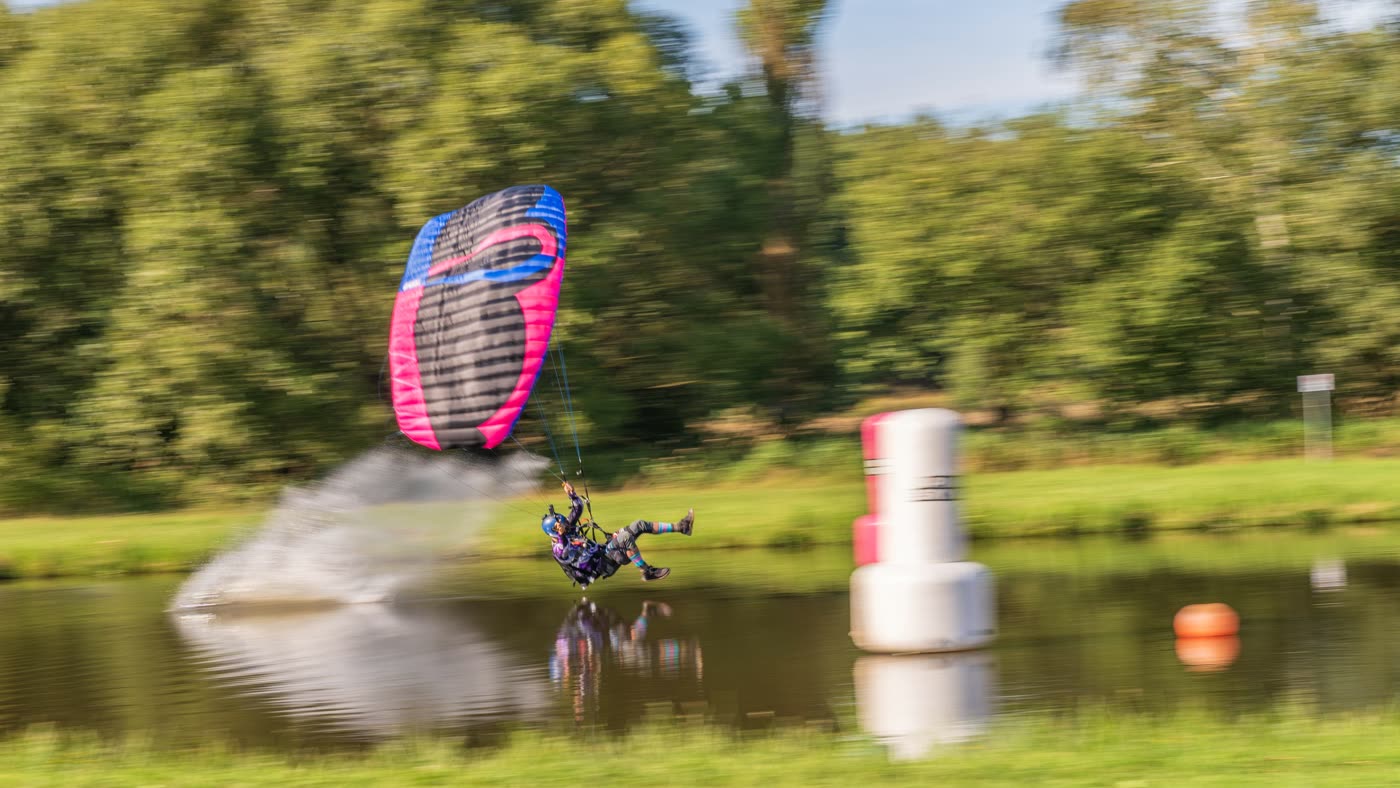
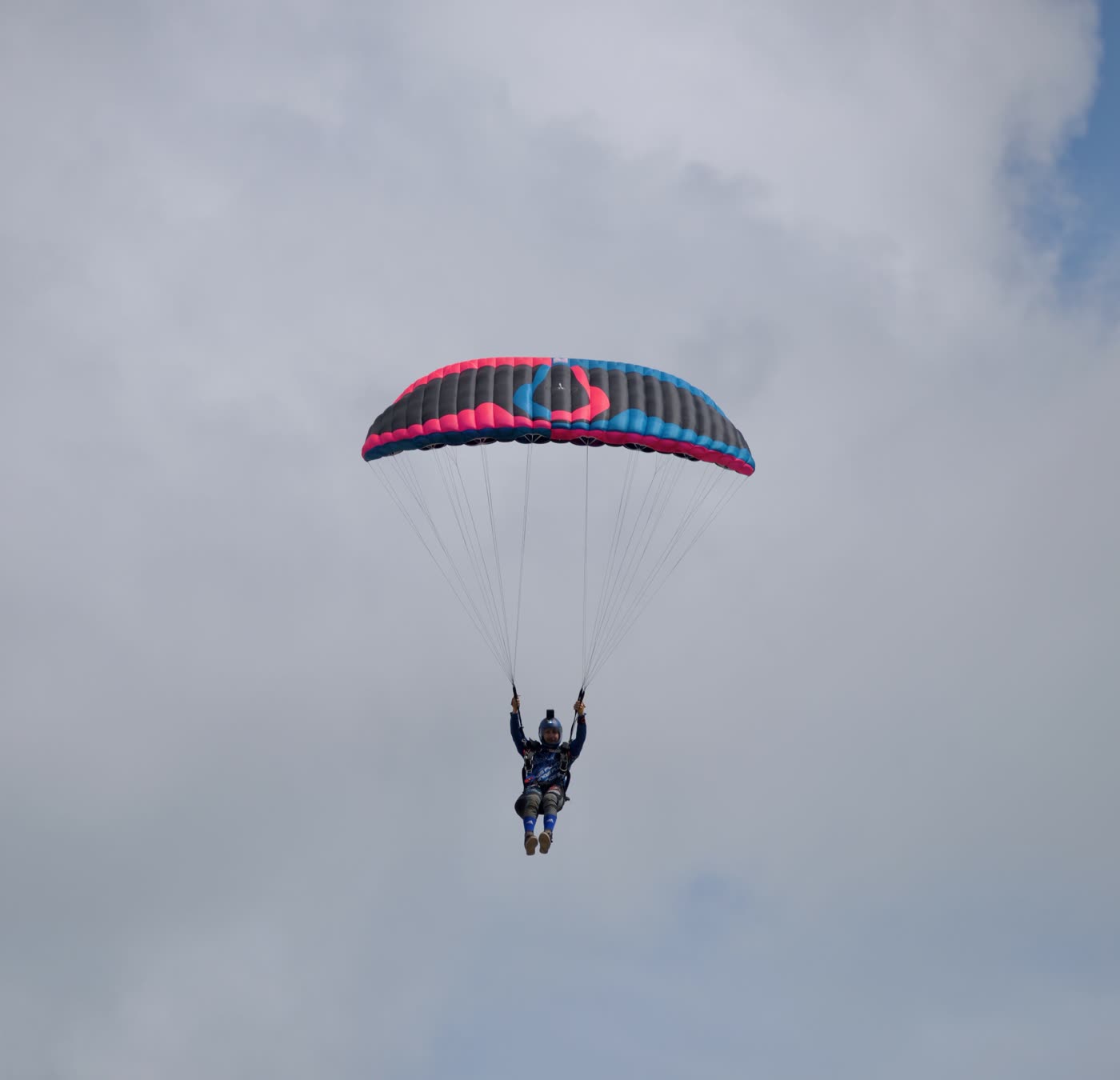
The Hooker Project (named as a cheeky play on hook turns) was born in April 2013 and in the first month they had 3 different prototypes. Then the hard work of testing the wing began — not all of it successful. This project continued for over 3 years and had 16 entirely different designs with over 20 prototypes and countless minor changes such as lines or swapping out end and center cells. There were over 50 revisions to lines alone. The project was led by Scott and continued in parallel with the development of both the Prime and Helix wings.
In late 2014, they had something with most of the characteristics they wanted and significant performance advantages over conventional cross-braced wings on the market. However, it required a precise level of “active” piloting — similar to paragliders — which typical skydiving pilots weren’t trained for. So they went back to the drawing board and started from scratch once more to find the balance.
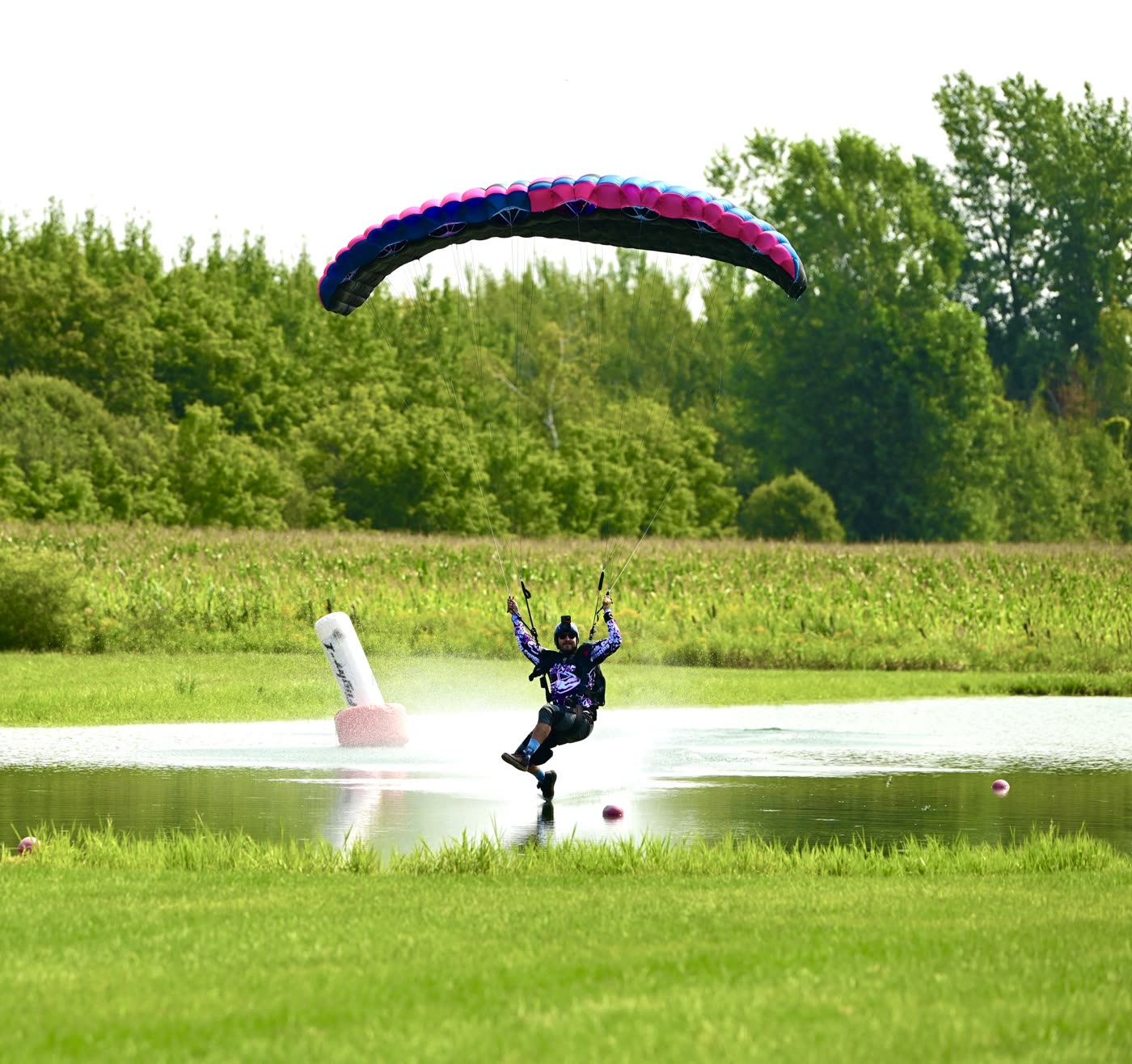
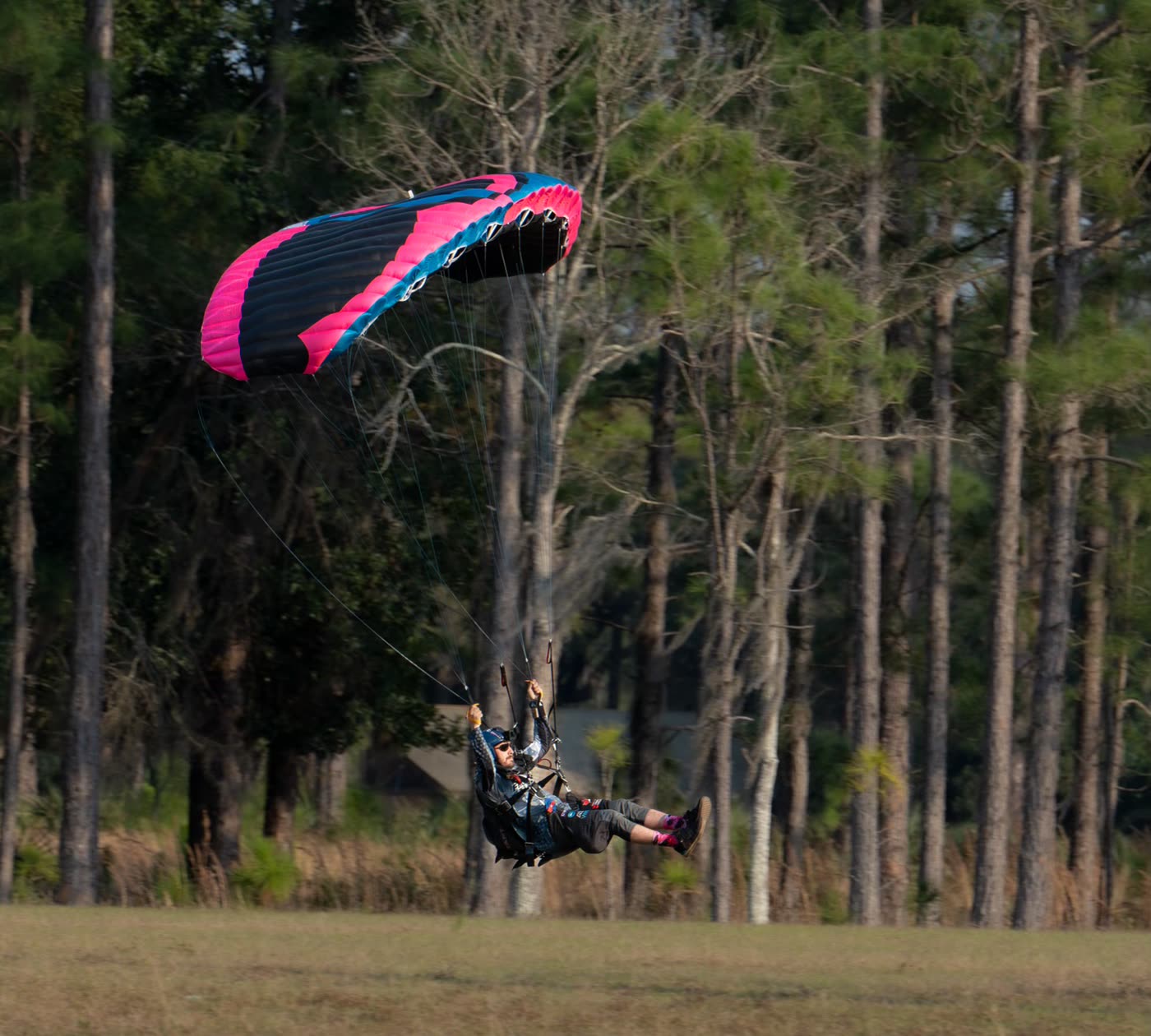
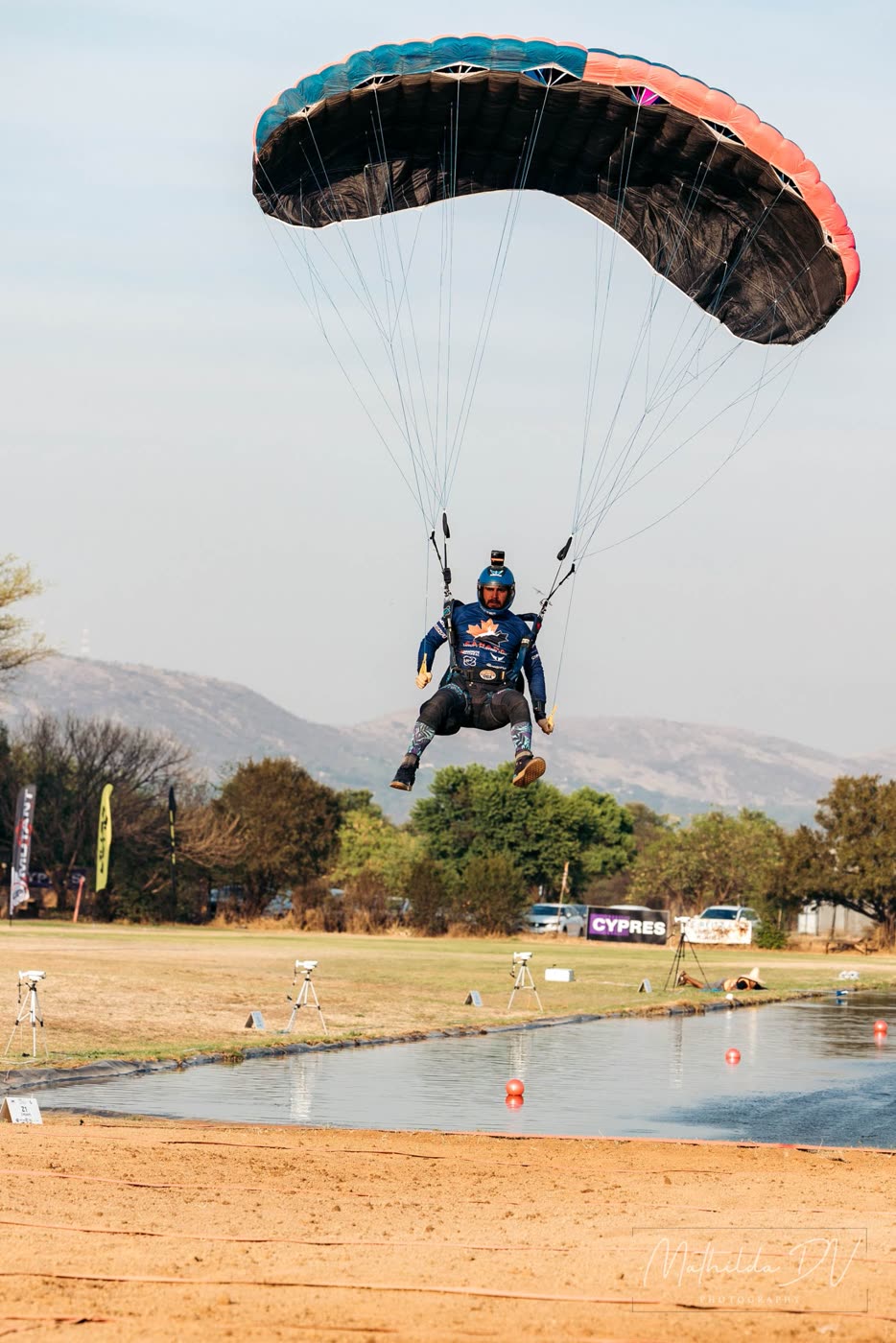
In late 2015, the final revision of the HK wing began to look like a serious contender. They built a few wings for the core Fluid Wings pilots to compete with and fine-tuned it until it was ready for release. Once all sizes were tested, the wing was released in spring 2016.
The Future of Fluid Competition Wings
The HK is part of an ever-evolving project designed to supply pilots with a “race” concept competition wing. R&D is ongoing and the wing will be periodically updated to reflect state-of-the-art performance. There are no secret handshakes or exclusive clubs required to fly one — just the necessary skill and a passion for high-performance flight.
Fluid Wings already has the next evolution in the Hooker Project in development. It’s undergoing R&D and will be worth the wait. We know you’ll love it when it becomes available.